
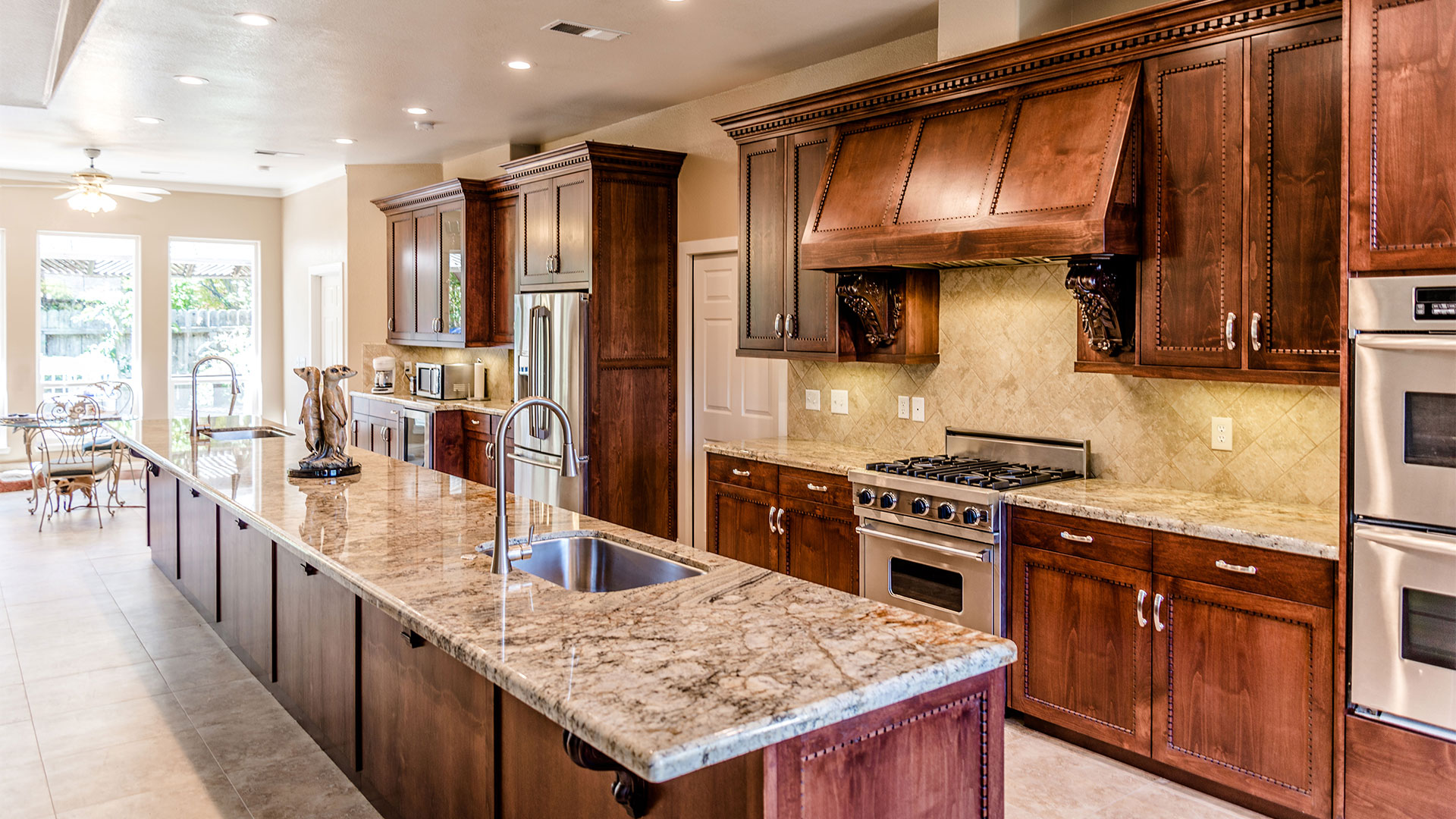
Choosing the best stain-resistant countertops has become a top priority for homeowners who want surfaces that stay beautiful despite spills, daily cooking, and high-traffic use. While many materials are marketed as low-maintenance, real-world performance varies significantly depending on composition, porosity, and finish.
Some countertop materials react quickly to acidic liquids, losing shine or showing subtle surface marks. Others remain completely unaffected, even under prolonged exposure. Understanding how each material behaves allows homeowners to select surfaces that provide long-term durability and peace of mind.
1.How Countertop Materials Respond to Stains
Not all countertops are created equal. The way a surface reacts to wine, juice, oils, and other household liquids depends largely on its mineral makeup and finish.
Below is a general overview of how the most common countertop materials respond to staining and etching:
- Marble is vulnerable to etching because it contains calcite, which reacts with acidic spills.
- Quartz offers mixed performance—some brands resist staining well, while others react similarly to marble.
- Granite typically holds up extremely well, thanks to its dense mineral structure.
- Quartzite and porcelain are among the most stain-resistant materials available, thanks to their hardness and low porosity.
This creates a helpful framework for evaluating what material aligns with a homeowner’s needs and lifestyle.
2. Ranking Popular Surfaces for the Best Stain-Resistant Countertops
Here is a simplified comparison to guide decision-making:
| Material | Stain Resistance | Etching Risk | Performance Summary |
| Marble | Low | High | Beautiful but delicate; best for low-impact spaces |
| Quartz | Medium to High (varies by brand) | Medium | Good overall, but resin-based formulas may react to acids |
| Granite | High | Low | Naturally strong, reliable for kitchens and bars |
| Quartzite | Very High | Very Low | Outstanding durability with natural stone beauty |
| Porcelain | Extremely High | None | One of the best stain-resistant countertops available |
This comparison helps clarify why some surfaces stay flawless over time while others show wear more quickly.
3. Real-World Applications: Choosing the Right Material for Your Space
The best stain-resistant countertops differ based on how and where they will be used. Here are ideal applications for each material:
Marble
Perfect for homeowners who appreciate a classic aesthetic and don’t mind a material that develops a patina over time. Best suited for bathroom vanities, low-traffic kitchens, and decorative spaces.
Quartz
A versatile choice for kitchens, offices, and entertainment areas. However, since performance varies by manufacturer, it’s smart to verify brand specifications before committing.
Granite
An excellent all-around performer for active homes. It holds up well to staining, heat, and regular cooking, making it ideal for kitchens, bars, and outdoor areas with proper sealing.
Quartzite
Combines the sophistication of natural stone with exceptional resistance. Great for families, busy kitchens, and luxury designs where longevity matters.
Porcelain
Highly recommended for both indoor and outdoor kitchens, commercial environments, and any space that demands the highest level of stain and heat resistance.
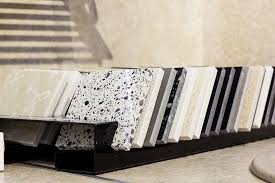
A selection of countertop material samples ranging from quartz to granite.
4.Common Misconceptions About Countertop Stain Resistance
Misunderstanding how surfaces behave often leads to the wrong choice. Here are three misconceptions worth clarifying:
1. Quartz Is Always the Most Stain-Resistant Option
Quartz performs well, but not all quartz is identical. Resin content and brand quality influence how it reacts to acidic substances.
2. Natural Stone Stains Easily
While marble is sensitive, granite and quartzite are incredibly durable and naturally resistant to staining.
3. Porcelain Is Only Suitable for Bathrooms
Advancements in slab technology have made porcelain a top contender for kitchens, islands, and outdoor cooking areas.
5. Care Tips to Enhance Performance
Even the best stain-resistant countertops benefit from proper habits. Simple maintenance greatly extends the life and appearance of any surface.
Granite & Quartzite
- Seal every 1–2 years
- Use stone-safe cleaners
- Wipe spills when possible
Quartz
- Avoid high heat
- Use gentle cleaners
- Follow manufacturer care instructions
Porcelain
- Minimal care required
- Clean with non-abrasive products
Marble
- Seal frequently
- Avoid acidic foods
- Use coasters and trivets consistently
Small daily practices help ensure years of surface protection and beauty.
6.Conclusion: Choosing the Best Stain-Resistant Countertops for Your Home
When it comes to choosing the best stain-resistant countertops, materials like quartzite, granite, and porcelain consistently offer the strongest performance with minimal maintenance. While quartz and marble have their place in design, they require more caution and care in active environments.
By understanding how each material responds to everyday spills and wear, homeowners can confidently choose surfaces that offer both durability and long-term beauty—ensuring their countertops look stunning for years to come.